The classroom of the future is no longer confined to four walls. Virtual reality-powered classroom apps are transporting students to the ancient streets of Rome, the surface of Mars, and the inside of a beating human heart—all without leaving their desks. This is not science fiction; it is the reality of education in 2026, and it is transforming how students learn, retain information, and develop a genuine passion for knowledge.
Imagine a history class where students don't just read about the Colosseum—they walk through it, hearing the roar of the crowd and feeling the scale of the structure. Imagine a biology lesson where students don't just look at diagrams—they travel through the bloodstream, watching white blood cells chase bacteria in real time. This is the promise of VR-powered education, and it is rapidly becoming accessible to schools around the world.
The numbers tell a compelling story. The global education VR market is projected to reach $35 billion by 2028, with classroom apps driving a significant portion of this growth. Schools that have implemented VR programs report a 35 percent increase in student engagement and a 25 percent improvement in retention rates compared to traditional teaching methods. These are not marginal gains—they are transformative.
Inside This Analysis
Why VR Works: The Science of Immersive Learning
The effectiveness of VR in education is rooted in how the human brain learns. Traditional teaching methods rely heavily on passive learning—students listen to lectures, read text, and look at diagrams. This approach engages only a small portion of the brain's learning capacity. VR, by contrast, creates an active, multisensory experience that engages multiple neural pathways simultaneously.
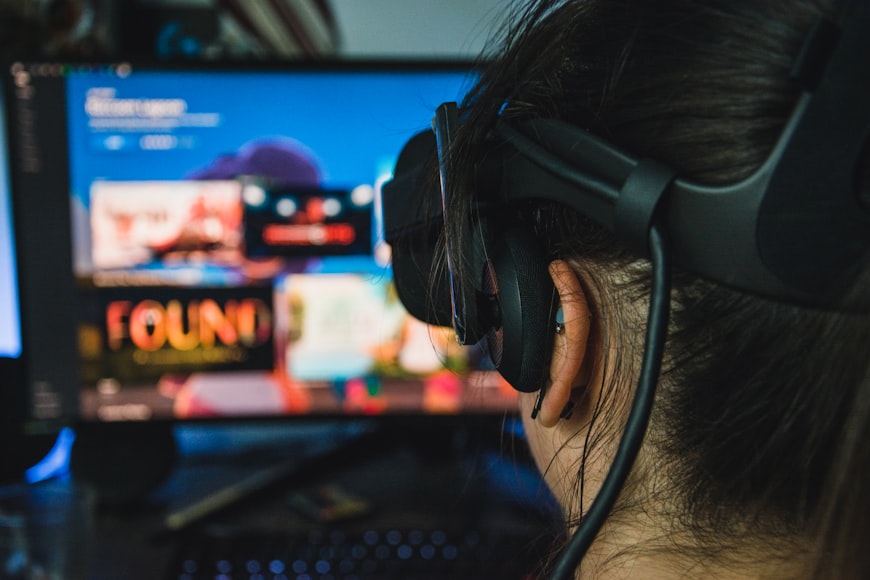
When a student puts on a VR headset, they are not just observing—they are participating. Their brain processes spatial information, visual cues, and auditory signals in a way that mirrors real-world experience. This "embodied cognition" leads to deeper processing and stronger memory formation.
Research on the "experience economy" has shown that humans remember experiences far more vividly than information presented passively. This is why you can recall a childhood vacation in detail but struggle to remember a lecture from last month. VR creates experiences, not just lessons. The result is learning that sticks.
Neuroscientific studies have shown that immersive VR experiences activate the hippocampus—the brain region responsible for memory formation—more strongly than passive learning. This is not just anecdotal; it is measurable biology.
By the Numbers: The VR Education Revolution
These numbers represent a significant shift in educational practice. The education market is moving beyond experimentation with VR to full-scale adoption. Schools are not just buying a few headsets for demonstration—they are integrating VR into their curricula, training teachers, and measuring outcomes.
Major technology companies are taking note. Meta has invested billions in VR hardware and content, with education as a primary focus. Google is expanding its Expeditions platform, and Microsoft is integrating VR capabilities into its education offerings. The result is a rapidly growing ecosystem of VR classroom apps that teachers can access.
Behind these numbers is a simple reality: when students are engaged, they learn more. The problem is not that students are incapable of learning—it is that traditional methods often fail to capture their attention. VR solves this problem by making learning an experience rather than a chore.
Leading VR Classroom Apps
Several VR classroom apps have emerged as leaders in the education space, each offering unique capabilities and approaches to immersive learning:
Each of these apps takes a different approach to VR education, but they share a common goal: making learning immersive, engaging, and effective. The variety of apps available means that teachers can find VR experiences that align with their specific curriculum and teaching style.
One of the most exciting developments in the VR classroom space is the emergence of apps that allow teachers to create their own VR content. Platforms like CoSpaces Edu enable teachers to build custom virtual environments tailored to their lesson plans. This democratizes VR content creation and ensures that the technology can be adapted to any subject.
Travel Through Time: History and Geography in VR
History and geography are among the subjects most transformed by VR. The ability to "visit" historical sites and geographic locations creates an emotional connection that no textbook can replicate.
A student who has explored the ruins of Pompeii in VR is not just memorizing facts about the eruption of Mount Vesuvius. They are remembering the feeling of walking through a Roman city, seeing the casts of victims, and understanding the scale of the disaster. This emotional connection makes the information more meaningful and more memorable.
Similarly, a student who has "hiked" through the Amazon rainforest in VR understands biodiversity and conservation in a way that reading about it cannot achieve. They have seen the density of the canopy, heard the sounds of the jungle, and encountered the scale of the ecosystem. This experience-based understanding is the foundation of true environmental literacy.
History teachers are using VR to transport students to key moments in human history:
- Ancient Civilizations: Walk through the streets of ancient Rome, explore the temples of Egypt, or stand on the Great Wall of China.
- World Wars: Experience the trenches of World War I or the beaches of Normandy on D-Day.
- The Holocaust: Visit concentration camps and memorials to ensure that students understand the scale and horror of this historical atrocity.
- The Civil Rights Movement: Walk across the Edmund Pettus Bridge or stand where Martin Luther King Jr. delivered his "I Have a Dream" speech.
These experiences are not replacements for reading and analysis—they are supplements that make the reading and analysis more meaningful. Students who have "been" to a historical site are more motivated to learn about it and more capable of understanding its significance.
Science Without Limits: Virtual Labs and Space Exploration
Science education has been revolutionized by VR apps that enable virtual experimentation and exploration. The ability to conduct experiments without physical limitations has opened new possibilities for science learning.
Virtual Science Labs: Labster VR and similar platforms allow students to conduct experiments that would be too dangerous, expensive, or impractical in a traditional classroom. Students can:
- Dissect virtual specimens without the need for physical specimens
- Mix chemicals and observe reactions without safety risks
- Explore the human body at the cellular level
- Conduct physics experiments in zero gravity
Space Exploration: VR apps have transformed astronomy education. Students can:
- Travel to Mars and explore its surface in detail
- Walk through the International Space Station
- Fly through the rings of Saturn
- Experience a solar system that is to scale
Biology and Anatomy: Students can travel inside the human body to observe biological processes firsthand:
- Watch neurons fire in the brain
- See how the heart pumps blood
- Observe how drugs interact with the body
- View the immune system in action
These experiences create understanding that goes beyond memorization. A student who has "been" inside a cell understands cellular biology in a way that a student who has only read about it cannot.
The Bottom Line:
VR classroom apps are not just about novelty—they are about creating learning experiences that are more engaging, more memorable, and more effective. The ability to "experience" history, explore science, and travel through space transforms abstract concepts into concrete understanding.
The Benefits: Why VR Enhances Learning
The benefits of VR classroom apps extend far beyond engagement. Research has documented a range of positive outcomes that make VR a valuable addition to the educational toolkit.
One of the most promising applications of VR in education is for students who have difficulty with traditional learning methods. Students with attention deficit disorders, learning disabilities, or language barriers often benefit from the immersive, visual, and interactive nature of VR. The technology can level the playing field by providing alternative pathways to understanding.
This accessibility aspect is gaining recognition from policymakers and educational organizations. Many school districts are investing in VR as a tool for supporting diverse learners, recognizing that the technology can provide experiences that accommodate different learning styles and needs.
Challenges and the Road Ahead
Despite its promise, VR-powered classroom apps face significant challenges that must be addressed for widespread adoption.
Despite these challenges, the momentum behind VR in education is growing. As the technology becomes more affordable, content improves, and teachers become more comfortable with the medium, VR is likely to become a standard tool in classrooms around the world.
Several initiatives are working to address these challenges. Professional development programs are emerging to train teachers in VR integration. Organizations like the International Society for Technology in Education (ISTE) have published guidelines for VR in education.
The next frontier for VR classroom apps includes:
- AI-powered personalized learning within VR environments
- Collaborative VR experiences where multiple students can learn together in virtual spaces
- Integration with existing curricula through tools that enable teachers to create custom VR content
For now, VR classroom apps are becoming an increasingly common sight in forward-thinking schools. The students who experience these immersive lessons are likely to carry a deeper understanding and a greater passion for learning throughout their lives.
As one teacher put it: "When my students put on those headsets and visit the pyramids, they don't just learn about Egypt—they fall in love with history."
Stay Informed About EdTech Apps
Subscribe to our weekly newsletter for the latest updates on VR classroom apps, EdTech trends, and the apps transforming education delivered directly to your inbox.
Subscribe Now